 Skip to content

If you’re wondering how to clean landscape rocks in your yard, you’re not alone. Landscape rocks are one of the smartest investments for your outdoor space, but over time they collect dirt, debris, moss, and algae that can make your entire property look neglected. The good news? Cleaning your landscape rocks is easier than you think, and it can dramatically transform your yard’s appearance in just a few hours.
Home Value Increase
Property Value Boost
Homebuyers Consider Curb Appeal
Research from Virginia Tech shows that well-maintained landscaping can increase your home’s value by 10% to 12%, while studies published in the Journal of Environmental Horticulture confirm that curb appeal improvements can boost property values by up to 17%. Your landscape rocks play a significant role in that first impression, so keeping them clean isn’t just about aesthetics. It’s about protecting your investment.
Before we dive into the cleaning methods, let’s talk about why this task deserves your attention. According to the EPA’s sustainable landscaping guidelines, proper landscape maintenance helps improve drainage, prevents water pollution, and supports overall environmental health. When your rocks are clogged with dirt and debris, they can’t perform their intended function of aiding drainage and preventing erosion.
Here’s what happens when landscape rocks go too long without cleaning:
Moss, mold, and algae don’t just look bad. They wear away the rock surface, create slippery conditions, and can potentially harbor toxic mold spores. In damp, shaded areas, this organic growth can become a serious problem within just one or two seasons.
When dirt and soil accumulate between your rocks, you’re essentially creating a perfect growing medium for weeds. According to landscape professionals, once weeds establish themselves in rock beds, they become exponentially harder to remove because their roots intertwine with the rocks themselves.
Leaves, twigs, and other debris create comfortable nesting areas for pests including ants, cockroaches, and even rodents. One survey of landscape contractors found that rock beds with excessive debris were three times more likely to have pest infestations.
Landscape rocks often serve a functional purpose beyond aesthetics. When they become clogged with fine sediment, they can no longer allow proper water drainage, which can lead to standing water, root rot in nearby plants, and even foundation issues.
Studies show that poorly maintained landscapes can decrease property values by as much as 30%. That’s a massive hit to your home’s equity just from neglecting outdoor maintenance.
Different landscape rocks require different cleaning approaches. If you’re considering landscaping with rock instead of mulch, understanding your rock type becomes even more important. Here’s what you need to know about the most common types:
These smooth, water-polished stones are among the easiest to clean. Their rounded surfaces don’t trap as much dirt, and they rinse well with water. However, in moist conditions, river rocks can develop algae quickly because their smooth surface provides ideal growing conditions. If you’re planning how to install river rock landscaping, consider the maintenance requirements from the start.
These compact surfaces trap debris between pieces and require more intensive cleaning methods. Small gravel (3/4 inch or less) is particularly challenging because standard cleaning can displace the rocks themselves.
These decorative stones show every speck of dirt and discolor easily. They require gentle cleaning methods to avoid permanent staining or yellowing.
Large landscape rocks and boulders need targeted attention and can often be cleaned in place without removal.
Limestone, sandstone, and lava rock are more delicate and can be damaged by pressure washers or acidic cleaners.
If you’ve been keeping up with regular maintenance, a simple surface cleaning might be all you need.
Start with a high-quality leaf blower. According to professional landscapers, a backpack model like the Stihl BR600 or similar provides enough power to dislodge leaves, twigs, and loose dirt without moving your rocks. Handheld electric blowers often lack the power needed for this task.
Work systematically across your rock beds, blowing debris toward your lawn or collection area. Take your time in areas under trees where debris accumulates most heavily. This is especially important if you’re working on front yard landscaping ideas with rocks and mulch.
Using a garden hose with a spray nozzle, rinse off the rocks starting from the highest point and working your way down. This allows dirty water to flow away from already-clean surfaces.
For rocks over landscape fabric, this step is particularly effective because the water carries fine sediment through the fabric into the soil below. If you don’t have landscape fabric, be cautious about oversaturating the soil, which could lead to root rot in nearby plants.
Mix a mild solution of dish soap and water (1 tablespoon per gallon). Using a stiff-bristled brush, scrub any remaining stained areas. Rinse thoroughly to remove all soap residue, which can leave a film that attracts more dirt.
For gravel, pea stone, and other small landscape rocks, a more intensive approach yields better results.
Professional landscapers recommend using a mesh sifter or hardware cloth with 1/2-inch or 1/4-inch openings. Some contractors have developed custom screening equipment that makes this process faster.
Working in small sections (2-3 square feet at a time), scoop rocks into your sifter and shake over a wheelbarrow or tarp. The debris falls through while clean rocks remain on top. This method removes fine dirt particles that rinsing alone can’t eliminate.
Place sifted rocks in a wheelbarrow. Some professionals drill drainage holes in an inexpensive plastic wheelbarrow specifically for this purpose. Rinse rocks thoroughly with a hose, stirring occasionally to ensure all surfaces get clean.
Spread cleaned rocks on a tarp in direct sunlight. Allow 4-6 hours of drying time in sunny weather, or up to 24 hours in humid conditions. Proper drying prevents mold growth when you return the rocks to their beds.
Before replacing rocks, inspect and repair any damaged landscape fabric. Add a fresh layer if coverage appears thin, aiming for 2-4 inches depth depending on rock size.
For those statement pieces in your landscape, here’s the best approach. If you’ve invested in professional landscaping services, maintaining these features properly protects that investment.
Cover nearby vegetation with tarps or plastic sheeting, securing edges with stakes. This protects plants from cleaning solutions and high-pressure water.
Use a pressure washer on medium setting (around 1,200 PSI) or a garden hose with a jet nozzle to remove loose dirt and debris. Maintain a consistent distance from the rock surface to avoid etching or damage. Understanding the difference between pressure washing and power washing can help you choose the right approach.
For general cleaning, mix equal parts white vinegar and water. For tougher stains or algae, use a 3% hydrogen peroxide solution. Apply with a brush or spray bottle.
Important Note: According to stone care experts, avoid vinegar on limestone, marble, or any calcareous stones. The acid will permanently etch and damage these surfaces. Use only pH-neutral cleaners designed for natural stone.
Using a stiff brush, scrub in circular motions to lift dirt from textured surfaces. For deep crevices, use an old toothbrush or small brush. Rinse thoroughly with clean water, ensuring all cleaning solution is removed.
Pressure washers can be highly effective but require proper technique to avoid damage.
According to professional pressure washing contractors, a 50/50 mixture of water and a gentle cleaning solution applied with a pump sprayer before pressure washing can improve results on heavily stained rocks.
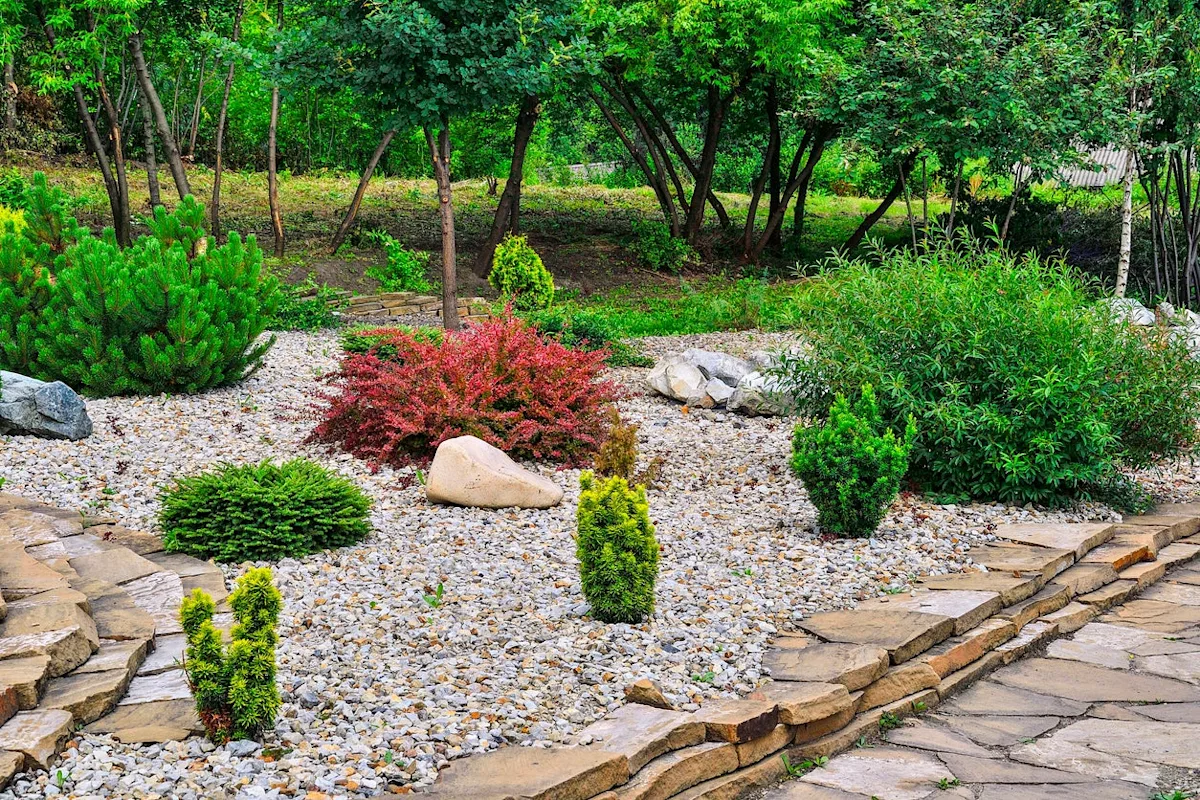
This is one of the biggest concerns homeowners have, and rightfully so. Here’s how to protect your plants while cleaning:
Skip Harsh Chemicals: Never use bleach near plants. Even diluted bleach can kill vegetation. The EPA’s lawn and garden guidelines emphasize using plant-safe alternatives whenever possible.
Work in Small Sections: Rather than flooding your entire landscape with cleaning solution, work in controlled 3-4 square foot sections. This approach allows you to manage runoff more effectively.
Direct Water Flow Away from Plants: When rinsing, aim water toward lawn areas or drainage zones rather than toward delicate plantings or vegetable gardens.
Use Plant-Safe Solutions: White vinegar (diluted 1:1 with water), hydrogen peroxide (3% solution), and mild dish soap are generally safe when used properly and rinsed thoroughly. Always rinse completely until water runs clear and you can’t feel any slippery residue.
Cover Sensitive Plants: For deep cleaning projects requiring stronger solutions, physically cover plants with tarps or plastic drop cloths. Secure the edges so cleaning solutions don’t seep underneath.
According to environmental guidelines from university extension programs, these eco-friendly options deliver excellent results:
Mix equal parts white vinegar and water. This works brilliantly on moss, algae, and general dirt. The acetic acid kills organic growth without harsh chemicals.
Spray directly on algae and moss. Allow it to bubble for 10-15 minutes, then rinse. Hydrogen peroxide breaks down into water and oxygen, making it environmentally safe.
For white rocks, mix 3 parts baking soda to 1 part water. Apply to stained areas, scrub in circular motions, and rinse thoroughly. This gentle abrasive lifts stains without scratching.
A simple solution of 1 tablespoon dish soap per gallon of warm water handles most dirt and oil stains effectively. Choose plant-safe, biodegradable dish soaps.
White rocks show dirt readily and require special attention. Here’s what the experts recommend:
Despite what you might read online, bleach causes permanent yellowing or gray discoloration on white stones and harms surrounding plants. Professional stone contractors universally advise against it.
After cleaning, let white rocks dry in direct sunlight. UV rays naturally brighten white stones and help prevent algae regrowth.
For stubborn stains, spray 3% hydrogen peroxide directly on problem spots. Allow it to bubble for 10-15 minutes, then rinse clean.
After cleaning and complete drying, apply a stone sealer formulated for white stones. This enhances natural color and protects against future staining. Reapply every 1-2 years for best results.
Smart landscape maintenance can dramatically reduce how often and how intensively you need to clean your rocks.
Install Quality Landscape Fabric: According to the EPA’s green infrastructure guidelines, proper underlayment prevents soil from mixing with rocks and suppresses weed growth. Polyester or heavy-duty polypropylene fabrics last longer than cheaper alternatives.
Add Proper Edging: Metal, stone, or plastic edging prevents soil erosion from adjacent areas. This keeps your rock beds cleaner and extends the time between deep cleanings. Consider these elements when planning your hardscaping services.
Monthly Debris Removal: Use a leaf blower or rake to remove fallen leaves and organic matter promptly. According to landscape maintenance studies, monthly attention prevents the decomposition process that creates stubborn stains.
Strategic Plant Placement: Areas near trees require more frequent maintenance. If possible, create buffer zones using low-maintenance groundcovers between trees and rock beds.
Improve Drainage: Poor drainage causes algae, moss, and mud to accumulate. Consider installing French drains or adjusting slopes to manage water flow better.
Apply Pre-Emergent Treatments: Use pre-emergent weed treatments twice annually (early spring and late fall) to create barriers that reduce organic matter accumulation.
Top-Dress Annually: Add fresh rock material every 1-2 years to thin or sunken areas. This maintains consistent coverage depth and restores visual appeal. Regular mulching in adjacent areas can also help reduce debris migration.
The frequency depends on several factors:
Most landscape rocks benefit from thorough cleaning once per year, typically in spring. This removes winter accumulation and prepares your landscape for the growing season.
Pathways, entryways, and areas near streets need attention twice yearly due to increased exposure to dirt, pollution, and foot traffic.
Quick debris removal with a leaf blower takes just 15-20 minutes but prevents major buildup. Think of it like vacuuming your floors. Regular light maintenance beats occasional heavy cleaning.
After major storms or during heavy leaf-fall seasons, do quick inspections and light cleaning as needed.

Here’s something that might surprise you: maintaining your landscape rocks is one of the most cost-effective ways to boost your property value.
According to research from the National Association of Realtors, 71% of homebuyers consider curb appeal when making purchase decisions. Studies from the American Society of Landscape Architects indicate that well-maintained landscaping can increase home values by 15% to 20%.
Let’s put that in perspective: if your home is valued at $300,000, proper landscape maintenance (including clean rocks) could add $45,000 to $60,000 to your property value. That’s a substantial return for a few hours of annual maintenance.
Professional landscape cleaning services typically charge $200-$500 for rock bed cleaning, depending on square footage and condition. DIY cleaning costs are minimal, usually just the cleaning solution and perhaps a new brush or sifter (under $50 total).
Through interviews with professional landscapers and analysis of homeowner experiences, these are the most common errors:
Using Too Much Pressure: High-pressure settings on pressure washers can chip rocks, damage landscape fabric, and create flying debris hazards. Always start low and increase gradually.
Ignoring Landscape Fabric: If your rocks sit on landscape fabric, you must avoid tearing or shifting it during cleaning. Damaged fabric allows soil to migrate up through rocks, undoing your cleaning efforts.
Mixing Incompatible Cleaners: Never combine different cleaning products. For example, mixing bleach with vinegar creates toxic chlorine gas.
Cleaning While Rocks Are Hot: On extremely hot days, cleaning rocks that have been baking in the sun can cause rapid evaporation, leaving residue and water spots. Wait for cooler parts of the day. If you’re also considering heat reflective paint for other outdoor surfaces, proper timing is equally important.
Not Rinsing Thoroughly: Soap residue attracts dirt and can interfere with water absorption in plants. Always rinse until water runs completely clear.
Rushing the Drying Process: Returning damp rocks to landscape beds promotes mold and algae growth. Patience during the drying phase prevents future problems.
Having the right equipment makes this job significantly easier:
When done properly, cleaning your landscape rocks can produce dramatic results. Homeowners report:
One landscape contractor noted that clients are often “amazed” at the transformation, particularly with white or light-colored decorative stones that had yellowed or dulled over time.
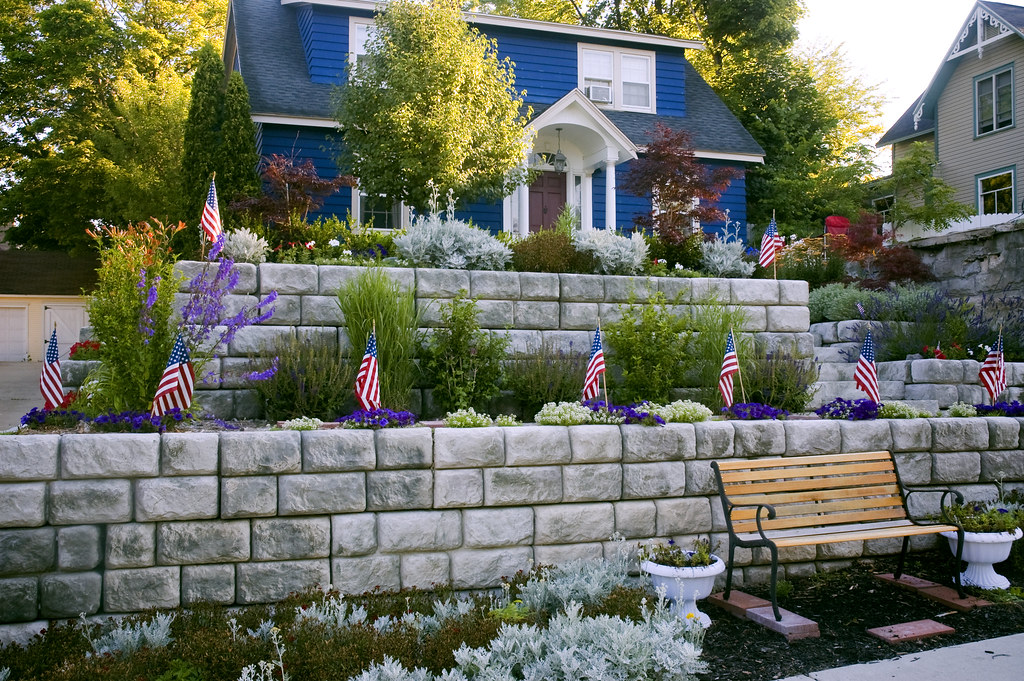
While cleaning landscape rocks is generally a DIY-friendly project, certain situations warrant professional help:
Professional landscapers have commercial-grade equipment, experience with different rock types, and can complete the job efficiently. If your time is limited or the project seems overwhelming, professional services typically range from $200-$800 depending on scope.

Learning how to clean landscape rocks properly isn’t just about removing dirt. It’s about protecting one of your property’s most visible features and maintaining the value of your outdoor investment.
With the methods outlined in this guide, you can tackle everything from light annual maintenance to deep restoration projects. The key is consistency. Regular attention prevents major problems and keeps your landscape looking professionally maintained year-round.
Research consistently shows that well-maintained landscapes significantly impact property values and buyer perception. Your landscape rocks are a crucial part of that first impression. A few hours of cleaning can transform a tired-looking yard into a showcase property that stands out in your neighborhood.
I recommend starting with a simple assessment of your rock beds this weekend. Walk around your property and identify areas that need attention. Then tackle one section at a time. You don’t have to clean everything in one day. Break the project into manageable chunks, and you’ll be surprised how quickly you see results. Your future self (and your property value) will thank you for the effort.
Whether you’re preparing to sell your home or simply want to enjoy a more beautiful outdoor space, clean landscape rocks make a noticeable difference. The investment of time and minimal cost delivers returns that you’ll appreciate every time you pull into your driveway.
Looking for professional help with your landscape maintenance? The Detail Guys serves Bel Air, Maryland and surrounding areas in Harford County and Baltimore County with comprehensive landscaping services. Whether you need rock cleaning, deck restoration, or painting services, we’re here to help transform your outdoor space.
Online