 Skip to content

The Detail Guys • Exterior painting guide
Heat Reflective Paint: What to Check Before You Buy
Start with the surface you want to paint. A sun-facing wall and a roof need different products, even when both labels promise a cooler finish.
Does it work?
Yes, a suitable reflective finish can reduce solar heat absorbed by a surface. The benefit inside your home depends on the building and its exposure. Choose a product made for the exact surface, check measured performance, and follow its application instructions. Reflective paint does not replace insulation or turn an unsuitable coating into a roof repair.

Three answers before you shop
What is the best paint?
The best candidate fits your substrate, existing finish, exposure, and maintenance plan. Compare the exact product and color, rather than choosing from a generic list of brands.
Can I add glitter?
Do not add glitter, crystals, or other homemade ingredients to a coating. Buy a formulated product and use it as directed. A modified mixture does not carry the original product’s tested performance.
Will it lower my bill?
It may reduce cooling demand, but a coating label cannot predict your annual savings. Heating needs, insulation, shade, and the building itself matter.
Background: EPA cool roof guidance and CRRC product rating limitations.
Choose the right category
Roof coating and wall paint are different decisions
“Heat reflective paint” describes a goal, not one interchangeable product. Before comparing reflectance numbers, establish whether the manufacturer permits the coating on your surface and over the finish already there.
For an exterior wall
Start with an exterior paint system
Look for a finish intended for your siding or masonry. Some wall products use pigments that reflect more near-infrared sunlight while retaining a visible color.
- Confirm the substrate and primer requirements.
- Compare the exact color and product formulation.
- Use the CRRC Wall Products Directory for rated wall products.
Learn more: CRRC’s guide to cool exterior walls.
For a roof
Start with the roof system
Roof coatings are part of a roofing decision. Reflective options also include factory-produced membranes, shingles, tiles, and metal finishes. Coating an existing roof is only one possible route.
- Identify the roof material and existing condition.
- Ask a roofing specialist about compatibility and warranty.
- Compare products in the CRRC Roof Products Directory.
See the EPA’s roof-type overview.
Follow the energy
Reflection and heat release do different jobs
A finish can reflect some incoming sunlight. The surface also releases absorbed energy as thermal radiation. Those processes affect the surface; insulation below it still has a separate role in resisting heat flow into or out of the building.
Read the label carefully
The ratings that explain performance
A color swatch tells you how a finish looks. These measurements tell you more about how it handles solar energy.
Definitions: CRRC roof and wall FAQs. Listing details: CRRC Roof Directory. A CRRC rating describes tested radiative properties; it is not an endorsement or a project-specific savings forecast.
Try the simple physics
See what solar reflectance changes
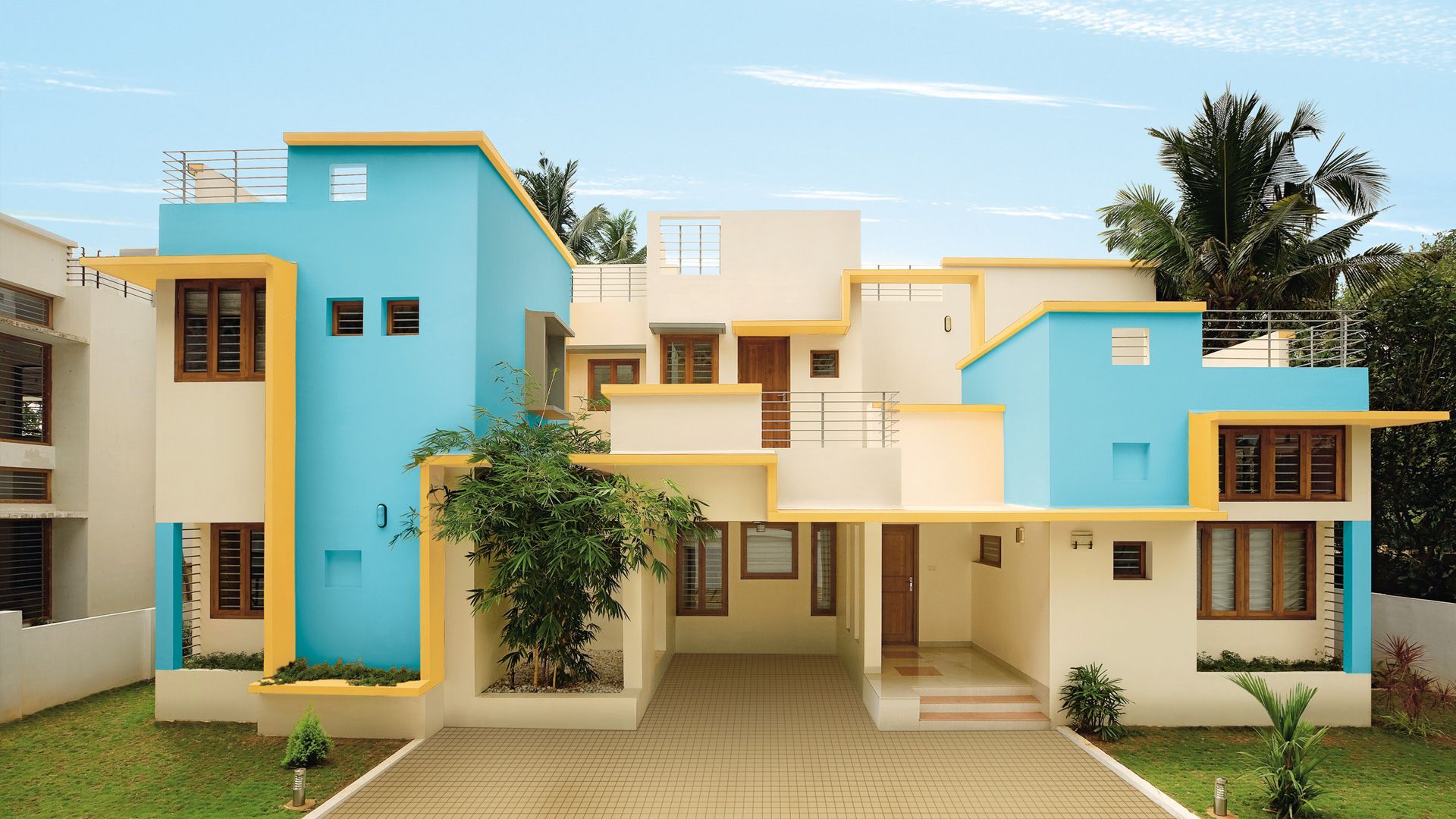
Move the slider to divide 100 units of incoming sunlight between reflection and absorption. The starting value is an example, not a recommendation or a rating for the paint in our photos.
Solar energy at an opaque surface
The calculation: reflected units = 100 × reflectance; absorbed units = 100 × (1 − reflectance). Reflectance is entered as a fraction, so 70% becomes 0.70. This illustration assumes an opaque surface with negligible transmission.
The model shows sunlight at the surface. It does not calculate surface temperature, room temperature, thermal emittance, heating demand, or electric-bill savings.
For a Maryland home
Look at summer and winter together
A cooler roof surface can reduce summer heat gain, but it can also reduce useful solar warming during cold weather. EPA describes this as a potential winter heating penalty. Reflective paint should not be sold as a finish that automatically traps warmth indoors all winter.
For a home in Harford or Baltimore County, ask for an assessment that considers both seasons. A sun-exposed surface, a shaded wall, and a well-insulated roof are different starting points. A warm upstairs room also deserves a broader look at insulation, air sealing, windows, and cooling performance.
If energy savings are the main reason for the work, ask what building information supports the estimate. A promise based only on the paint color is not enough.
Prepare the project
What to confirm before application
The product’s current technical data sheet should guide preparation, primer choice, coverage, film thickness, and weather limits. There is no single drying schedule that works for every reflective coating.
Why exact instructions matter: Henry’s AcryShield 550 HT technical sheet, for example, specifies a dry surface, prohibits thinning, and sets its own weather restrictions. Those instructions apply to that product, not every paint described as heat reflective.
- Record the surface and existing finish. Send clear overview photos, close views of peeling areas, and any product information from the previous coating.
- Separate repair from painting. Ask what must be fixed before a coating is considered. Roof leaks, failed flashing, and damaged substrates deserve their own assessment.
- Request the product documents. The estimate should name the product, color, compatible primer, and planned application method.
- Ask how coverage will be checked. Clarify the number of coats and the specified coverage or thickness. “Two coats” alone does not define the whole system.
- Confirm the weather window. Ask how the installer will meet surface conditions, temperature limits, recoat timing, and rain-readiness requirements.
- Discuss upkeep. Ask what inspection, cleaning, touch-up, and recoating the selected finish will need, and who provides any warranty.
Plan the material quantity
Paint and coating coverage calculator
Use the net surface area you intend to cover and the chosen product’s coverage per coat. Get actual roof surface area from a contractor; a home’s floor area is not roof area. If the label gives a complete-system coverage rate, do not multiply that rate by the number of coats again. For a per-coat rate stated in gallons per 100 square feet, divide 100 by that rate to get square feet per gallon.
Compare estimates
What does heat reflective paint cost?
There is no useful universal project price. A can of paint, a wall repaint, and a roof coating system are different purchases. The estimate should separate preparation and repairs from the finish being applied.
Ask for the measured area, access needs, product and primer, number of coats, and any repair allowances. Compare estimates with the same scope. A lower material price may not mean a lower completed-job price.
For exterior wall work, start with The Detail Guys’ painting services. If cleaning is part of preparation, ask how it will be done for that surface. Our pressure washing and power washing guide introduces the methods, but product-specific preparation still controls the job.
For a roof, obtain a roofing specialist’s assessment of the proposed system. This article does not establish that a roof is suitable for coating or that The Detail Guys offers roof-coating installation.
More questions
Heat reflective paint FAQs
Is white always the best color?
White is often highly reflective, but color alone is not a complete specification. Some darker products use pigments that reflect near-infrared sunlight. Compare measured values for the exact finish and color you are considering.
Can I paint asphalt shingles with house paint?
Do not assume that a wall paint or a roof coating is approved for shingles. Identify the roofing product and obtain the relevant manufacturer’s guidance and warranty terms. Factory-made cool shingles are a different option from painting an existing shingle roof.
Is reflective paint the same as insulation?
No. Reflection reduces absorbed sunlight at the surface. Insulation resists heat flow through the building assembly. Do not treat a reflectance value as an insulation rating.
How long does it take to dry?
Use the exact coating’s instructions for dry-to-touch, recoat time, rain readiness, and cure. These are different milestones. Conditions on the day of application matter, so ask for the work schedule tied to that product.
Does a CRRC listing mean the product is the best?
No. The directory provides rated properties for comparison. It does not rank products, guarantee availability, or establish that a finish is suitable for your particular surface.
Should I replace a sound roof just to make it reflective?
Do not start with that assumption. The Department of Energy’s Guide to Cool Roofs notes that replacing a mechanically sound roof solely for reflectance is rarely economical. Consider reflective options when roofing work is already being planned and compare the full scope.