 Skip to content

Landscaping without mulch:
more plants, purposeful surfaces.
A practical guide to living groundcover, selected stone areas and walking routes that fit the way you use your Maryland yard.
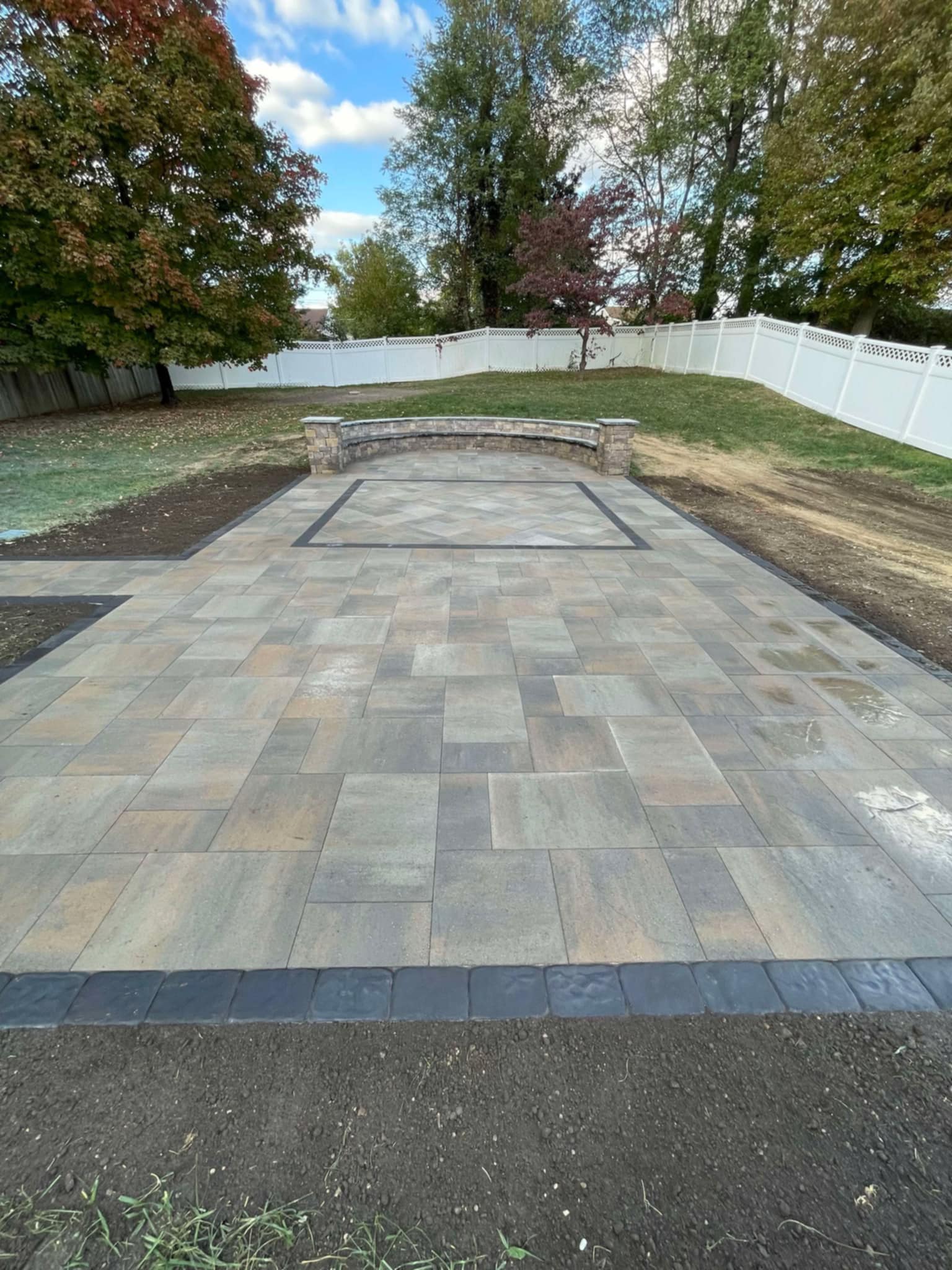
Can you landscape without mulch? Yes. Use living groundcovers or fuller planting layouts where plants can occupy the soil, and use properly planned paths or patios where people need a surface. Stone can replace wood mulch in selected areas, but it still functions as mulch over soil and still needs maintenance.
What best replaces wood mulch?
In a planting bed, consider compatible living coverage. Where people walk or gather, plan the surface for that use.
Will it stop all weeds?
No. Preparation, establishment care and routine checks remain part of the job with plants, stone or paving.
Can you remove everything today?
Plan the transition first. Newly planted areas may need temporary protection while open gaps remain.
Landscaping without mulch starts with a different job for the ground
If you want to stop buying bags of wood mulch, you have several workable design directions. You can grow plants across the open spaces, use stone selectively or turn a regularly used area into a properly planned path or patio. These options do different jobs. The right answer depends on what happens in that part of the yard.
First, be precise about “without mulch.” Gravel spread over soil functions as an inorganic mulch. Leaves, compost, pine straw and wood chips are also mulches. They may replace a particular bagged product, but they do not create a landscape without a surface covering.
Living groundcover takes another approach: the plants themselves occupy the gaps. A paved path changes the use of the space. A boulder adds a design feature, but one large rock does not cover or manage the soil around it.
You do not have to choose one finish for the entire property. A practical yard can combine planted borders, a defined walking route, a lawn used for play and a small stone accent. Give each surface a purpose instead of replacing every square foot of bark with the same new material.
Start with your reason for changing. Is it annual material handling, washed-out beds, fading color, a preference for more plants or a route that keeps getting trampled? Write that down before comparing options. A change that looks different but leaves the original problem untouched is unlikely to satisfy you.
Give each part of the yard a job
Use the labels to jump to each option. This illustration shows the relationship between uses, not a plant layout or a drainage solution.
Grow the covering instead of replacing it
Living groundcover is the most direct alternative when your goal is to reduce recurring wood-mulch additions in an ornamental bed. Low plants fill spaces between larger plants, creating another layer of the garden rather than a broad exposed surface.
University of Maryland Extension’s groundcover guide recommends matching plants to the conditions already present. Check light, soil moisture and neighboring roots before choosing species. Also consider how a spreading plant will behave beside less vigorous neighbors.
Observe the bed during the growing season. A photograph taken before deciduous trees leaf out may suggest more sunlight than the area receives in summer. Note the portions sheltered from rainfall and those receiving extra water from a roof outlet.
Decide what you want to see outside the flowering season. Leaves, height and winter appearance matter because the plant may bloom for only a small part of the year. Ask for the botanical name and cultivar, then check the mature habit rather than choosing from a bloom photograph alone.
Allow for maintenance access. You still need a way to reach a hose connection, prune a shrub or inspect the building. A small maintenance route may be more practical than repeatedly stepping through the groundcover.
Three starting points for a Maryland planting conversation
These examples help you ask better questions. They are not a planting prescription for every Harford County or Baltimore County property, and they do not establish current nursery stock.
| Plant | Conditions to discuss | Design check |
|---|---|---|
| Foamflower Tiarella cordifolia | Moist, organic-rich soil and shade | Confirm the exact form and how it spreads. |
| Golden ragwort Packera aurea | Moist to wet soil; part sun to shade | Plan for spread and taller flowering stems. |
| Pennsylvania sedge Carex pensylvanica | A shade candidate with drought tolerance | Consider its grass-like appearance and gradual spread. |
For a sunny bed, use the Extension guide’s separate sun and drainage lists rather than moving a shade plant into an unsuitable location. For any candidate, verify mature spacing, browsing concerns and compatibility with the plants you intend to keep.
Fast coverage is not the only goal
Ask how the plant spreads and what will stop it at the boundary. “Fills in quickly” can be welcome in one bed and frustrating beside small, slow-growing plants. A mixed planting also needs an arrangement that remains understandable when the original nursery pots have disappeared.
Do not treat a familiar groundcover name as proof it is a good local choice. Maryland Extension cautions against invasive options including periwinkle and Japanese spurge. Check a proposed plant before bringing it home, even if it is easy to purchase.
Use stone where stone has a purpose
Stone can suit a limited accent area, a planting style designed around mineral surfaces or a clear transition beside hardscaping. Choose it because the area benefits from that finish, not because stone is supposed to eliminate every maintenance task.
Maryland Extension’s weed-management guidance explains that debris accumulating between stones can create a place for weeds to grow. A durable material still needs cleanup, monitoring and edge maintenance.
Consider what falls into the area. A stone strip under leaf-dropping trees can be more awkward to clean than a small accent near a patio. Fine debris settles between pieces, so assess the realistic cleanup method before ordering a large quantity.
Decide whether the stone area will contain plants or remain a separate feature. For a planting, discuss the soil, plant needs and future access to the roots. For an accent, think about visual scale and how the area connects to the surrounding border.
Contain the material at the lawn and walking edges. Loose pieces that migrate into a mowing route or onto paving create another recurring task. A suitable boundary should address the site height and use, not simply look attractive in a catalog.
Adding gravel does not establish drainage
Water may pass through gaps at the surface and still collect above poorly draining soil. Identify where water comes from and where it can go before treating a rock layer as a solution. A decorative bed and a designed drainage system are different projects.
Photograph persistent pooling or washout after rain. Bring those observations into the estimate request. If the work includes changing runoff routes, require that scope to be explained separately from the decorative material.
Stone also affects future work. Plant replacement, border changes and repairs may require moving it aside. Include that handling in your comparison with a living bed. Our river-rock installation guide focuses on preparing and measuring a stone project; this article focuses on choosing the overall landscape approach.
Give walking and gathering areas a real surface
If people regularly cut through a bed, the first decision is the route. Choose where the path should begin, where it ends and how it will be used. Trying to make an ornamental groundcover serve as the main walkway can create an ongoing conflict between access and plant growth.
Observe the route with groceries, a garden cart or a trash bin, not only while walking empty-handed. Doors, gates, turns and storage areas influence the useful width and layout. A surface that looks adequate in a photograph may not suit those everyday movements.
Stepping stones may fit occasional garden access. A more continuous walkway may suit a frequently used entry. Discuss stability, changes in level, drainage and the users’ needs before choosing the paving pattern.
Our paver-walkway information and paver-patio information provide separate starting points for those projects. A walkway or patio requires a construction scope; it is not simply a different top dressing over the old bed.
Permeable paving is a system choice
The EPA’s green-infrastructure guidance describes permeable pavement as a surface and underlying storage system that lets water pass through and either infiltrate or leave through an underdrain. Ordinary pavers should not be described as a drainage solution merely because their joints are visible.
Ask which system is proposed and why it fits the site. Confirm the preparation, edge restraint and water-management scope. If future cleaning is needed to maintain performance, that should be part of the discussion before installation.
Keep planted areas around the hard surface purposeful. You can gain a usable route without paving all the surrounding garden. The boundary between those two jobs is often where a design becomes easier to maintain and more comfortable to use.
Separate the surface from the garden around it

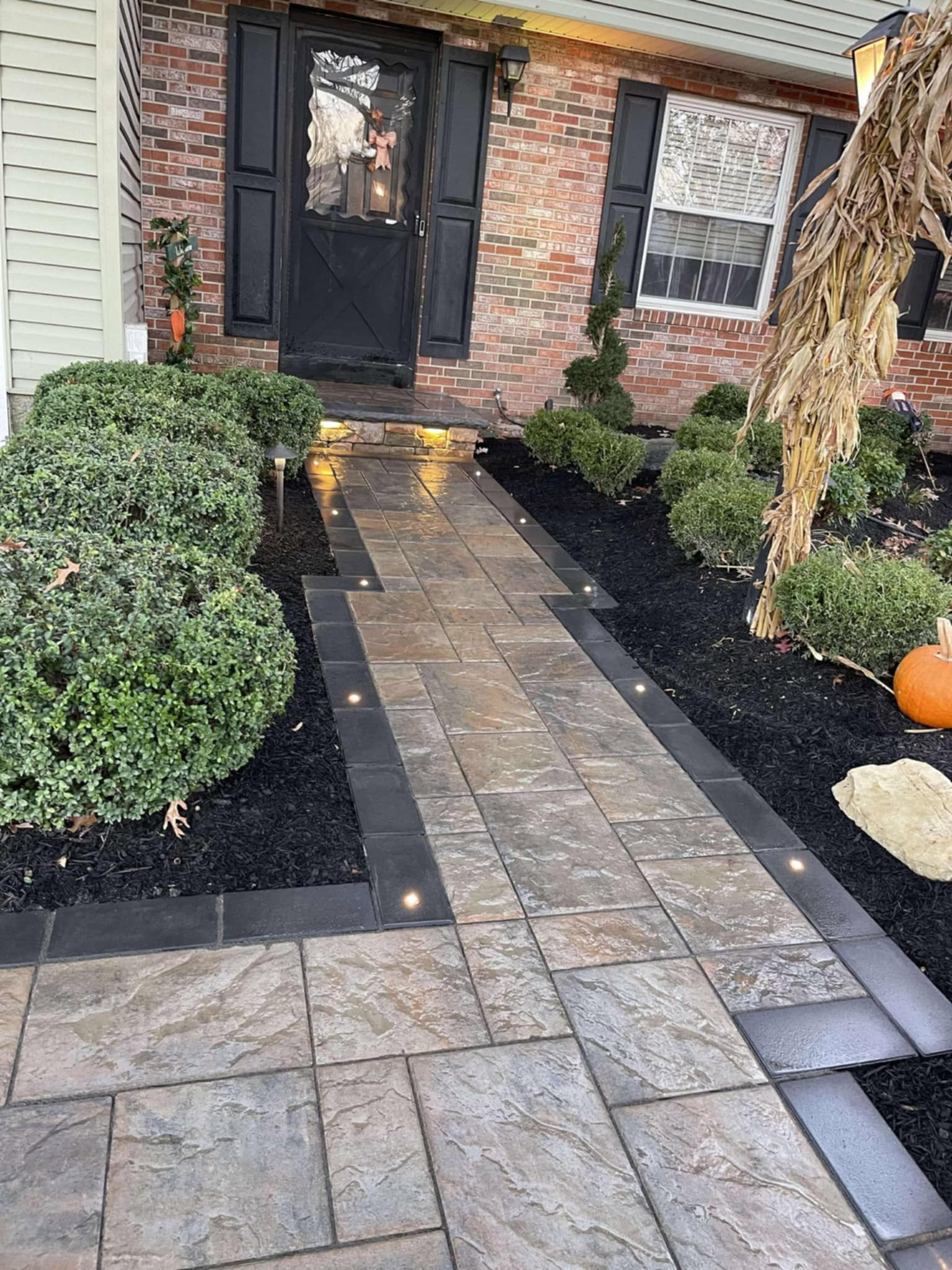
Compare the work you are choosing
Every alternative has a maintenance pattern. Compare the tasks you are willing to do, the plants you want to keep and the way you use the space. “Lasts longer” is not enough information to choose a surface.
| Approach | What it can change | What remains | Question before committing |
|---|---|---|---|
| Living groundcover | Reduces open bed area as plants develop | Establishment care, weeds, spread and plant health | Does this species fit the site and neighboring plants? |
| Planted perennial layers | Makes the whole bed more plant-filled | Seasonal care and management of gaps | What will the bed look like between bloom periods? |
| Stone accent | Changes the visible surface and avoids wood decomposition | Debris, weeds, edges and handling during repairs | How will you clean it where it is being placed? |
| Walkway or patio | Creates a usable walking or gathering area | Surface care, joints and construction maintenance | Is the base and drainage scope appropriate? |
| Smaller retained lawn | Keeps a usable play or circulation area | Mowing and lawn care | Which lawn areas actually earn their place? |
Compare the finished arrangement rather than one isolated material price. A planted bed may require more plants and care at the beginning. Stone may require delivery and substantial handling. A path may reduce trampling while adding a construction project.
If the main problem is simply excessive or poorly maintained mulch, a corrected bed can also be worth comparing. You can reduce unnecessary additions without changing the entire design. Our hardwood-mulch guide explains how to inspect what remains before ordering more.
Plan the gap between the new planting and the finished garden
A newly installed groundcover does not immediately look like an established planting. Allow for the open spaces visible between small plants. Decide how those gaps will be managed before the crew leaves, especially where rain can move exposed soil.
Maryland Extension discusses care and mulching during groundcover establishment. Depending on the site, that can include a suitable temporary covering. Reducing recurring wood mulch does not have to mean refusing every form of protection during the transition.
If your preference is no loose covering at all, explain that clearly and ask how the proposed installation will handle weeds, watering and erosion risk. A small, manageable trial area can be a better first step than an entire exposed frontage.
Set a maintenance plan you can actually follow
Identify the new plants with labels and a simple planting record. Keep the botanical names, locations and intended spacing. That makes it easier to distinguish a new weed from a plant you deliberately installed.
Choose a way to check moisture at the plant’s root area. Put watering access into the layout rather than discovering after installation that the hose must cross the new bed. Ask who will make establishment visits if you are hiring ongoing care.
Schedule inspections around what you need to learn: whether the plants are surviving, where gaps persist and whether the intended boundary is holding. Avoid treating one photograph taken on installation day as the finished outcome.
Where material already covers the bed, decide what can remain during planting and what must be pulled back or removed. Do not bury plant crowns beneath a leftover layer or spread an unnecessary new layer solely to make the site look freshly installed.
Groundcover spacing planner
Compare the approximate plant count for a measured area at different center-to-center spacings. Use spacing suitable for the exact species and starting size. The worksheet shows planting density, not a recommended spacing or a prediction of when the bed will fill in.
Square model: plants ≈ net square feet ÷ (spacing in feet)². Equilateral staggered model: multiply square density by 2 ÷ √3, about 1.155. Round the estimate up to whole plants, then round trays up separately. Bed edges, irregular shapes, existing roots and mixed species can change the final count. The area-only model does not draw an exact layout.
Entry limits: area 0–100,000 square feet; spacing 4–72 inches; whole-number pack size 1–1,000. Unplanted area cannot exceed measured area. No automatic allowance, costs or establishment timeline is added.
Four layouts that make the alternatives feel intentional
A plant-filled front border with a clear edge
Keep the larger shrubs that belong in the plan, then study the gaps between them. Fill suitable areas with compatible low plants instead of enlarging a broad decorative surface. Leave access to the entry, utilities and maintenance points.
Use the border line to make the arrangement read clearly from the street. Repeated groups can make a mixed planting easier to understand. The goal is a bed that looks planned as it develops, not a row of unrelated plants chosen one pot at a time.
A shaded garden beside a maintenance path
Separate the spaces people need to use from the places plants can occupy. A defined path can serve the gate or hose connection while the adjacent shaded bed receives site-appropriate plants. Look at root locations before proposing excavation or broad changes in ground level.
Retain a practical way to remove unwanted plants and inspect the area. A narrow garden that becomes inaccessible may be difficult to maintain even when its species were well chosen.
A patio framed by planting
Give the seating or dining area the surface it needs, then treat the surrounding garden as planting space. Confirm the furniture footprint and circulation before drawing the border. Allow room to reach a chair without repeatedly stepping into the bed.
A limited stone accent can mark a transition where that finish suits the setting. It should complement the planting and remain manageable to clean. There is no need to continue the same stone surface into every adjoining bed.
A phased replacement of an oversized bed
Divide a large existing area into sections you can prepare and care for. Complete one section, observe its performance and adjust the next phase. Keep unfinished areas orderly while you learn whether the plant choices and maintenance plan suit your property.
The phases need a common outline and material plan. Otherwise separate rounds of work can produce mismatched edges or disconnected planting groups. Record decisions at the beginning, even if the planting happens over several visits.
Prepare the site before choosing the finish
Identify the existing plants and weeds. Decide what is staying and what is being removed. Cutting everything to ground level before identification can make the next step harder, particularly where unwanted perennial roots remain.
Maryland Extension recommends controlling existing weeds before planting and minimizing unnecessary soil disturbance. The preparation should fit the weed and location rather than assume one quick pass will resolve every problem.
Assess drainage, damaged irrigation and buried access points before adding a new surface. Mark the delivery and carrying route. Take measurements after confirming the bed outline, not before a proposed expansion changes the area.
Where excavation is planned, follow the Miss Utility safe-digging process and account for private lines and irrigation. Check the construction requirements relevant to the actual project. A simple planting change and a new paved area may have different considerations.
Protect existing trees. Avoid planning extensive digging, deep added material or root cuts around them as an incidental part of removing mulch. If the design conflicts with important roots, revise the layout or obtain appropriate tree advice.
Discuss the building interface separately. Keep drainage and inspection access in the plan, and confirm what is appropriate beside the foundation. A garden redesign should not quietly bury a vent, raise the surface against siding or obstruct a maintenance point.
Request an estimate for the complete change
Ask for a defined scope rather than a price for “no-mulch landscaping.” State which areas become planted beds, which receive stone and which need paving. Include the removal, disposal, preparation and finishing work required for each.
For living cover, request plant identities, sizes, quantities and planned spacing. Confirm how gaps will be handled while the plants establish, what watering arrangement is expected and whether follow-up care is included.
For stone, confirm the material, measured area, proposed depth, boundary and delivery arrangements. For paving, confirm the usable footprint and system specification. Ask the contractor to identify drainage work rather than hiding it inside a broad landscape description.
Compare proposals that solve the same problem. A plant count without preparation and care can look less expensive than a complete transition. A stone quote without removal or edging can be a different job from one that includes those tasks.
Send a wide photograph, several close views of the surface and pictures of any recurring problem after rain. Explain access limits and your maintenance preferences. Specific information helps turn a general design idea into a proposal you can assess.
If you want to preserve flexibility, ask which elements can be phased. A defined first phase can let you learn from the property while keeping the overall design coherent. Avoid changing every surface at once solely because the existing covering feels repetitive.
Common questions about landscaping without mulch
Can you landscape without wood mulch?
Yes. Living groundcovers, fuller planting layouts and properly planned paths can reduce the area needing wood mulch. Stone can replace wood in selected areas, although stone spread over soil still functions as mulch.
What is the best alternative to mulch around shrubs?
A compatible low planting can be a good direction, but shrub roots, light, soil moisture and maintenance access must guide the choice. Keep plant bases clear and avoid choosing a fast spreader solely for quick coverage.
Is gravel lower maintenance than mulch?
Its material does not break down like wood, but gravel still needs debris removal, weed monitoring and edge care. Compare the cleanup work at your actual site rather than assuming a maintenance-free finish.
Can I leave the soil bare instead?
Limited open soil may fit a deliberate planting, but stripping a whole bed can expose it to weeds and erosion. Assess the location and the transition plan before removing its existing protection.
Will groundcover immediately stop weeds?
No. A new planting needs preparation and monitoring while gaps remain. Plant development depends on the species and site; no calculator can guarantee a weed-free bed or a fill-in date.
Can I walk on a groundcover bed?
Do not assume ornamental groundcover tolerates a regular walking route. Choose plants and surfaces for the intended use, and create a defined path where traffic would otherwise damage the planting.
Does landscape fabric make stone permanent and weed-free?
No. Maryland Extension describes debris and weeds accumulating above fabrics and between stones. A barrier decision needs to account for maintenance and the planting, rather than promise permanent weed prevention.
How long will the plants take to fill in?
There is no universal timetable. Species, starting size, spacing, growing conditions and care all matter. Ask about the selected plants and monitor the gaps instead of relying on a fixed completion date.
Are leaves and compost alternatives to mulch?
They are alternatives to some wood products, but when used as a surface covering they are still mulch. Decide whether you want a different material or a design that reduces repeated surface additions.
What should I send for a landscaping estimate?
Send photos, approximate dimensions, the plants you want to keep, water concerns, access limits and your preferred approach. Say whether you want living coverage, a stone feature, a walkway or a combination.
Plan a landscape you can use and maintain
The Detail Guys is based in Edgewood and serves Harford County and Baltimore County. Share the areas you want to change, your preferred maintenance routine and the problems you want the new design to solve.
Request a landscaping estimate or call 443-756-4001. Explore landscaping services and hardscaping services to discuss a combined plan.